
Fall in Hawaii is the islands’ best-kept secret: warm days in the low 80s, warm ocean, thinner crowds, and some of the year’s most rewarding experiences — from the Kona Coffee Cultural Festival to the season’s first North Shore swells. Here are seven unforgettable adventures to plan your trip around this autumn.
Key Highlights
- Fall (September–November) brings Hawaii’s “secret season”: comfortable temperatures, warm water, and fewer visitors than summer or the holidays.
- September and October are ideal for Aloha Festivals celebrations, hiking in cooler weather, and snorkeling in water that’s at its warmest all year.
- November belongs to coffee lovers — the Kona Coffee Cultural Festival on the Big Island coincides with harvest season at working coffee farms.
- Late September through October marks the start of surf season on Oʻahu’s North Shore, when the first rideable winter swells roll in.
- Fall is generally one of the cheapest times to visit Hawaii for flights and hotels — with the one exception of Thanksgiving week.
1. Spend an Unhurried Morning at Pearl Harbor National Memorial
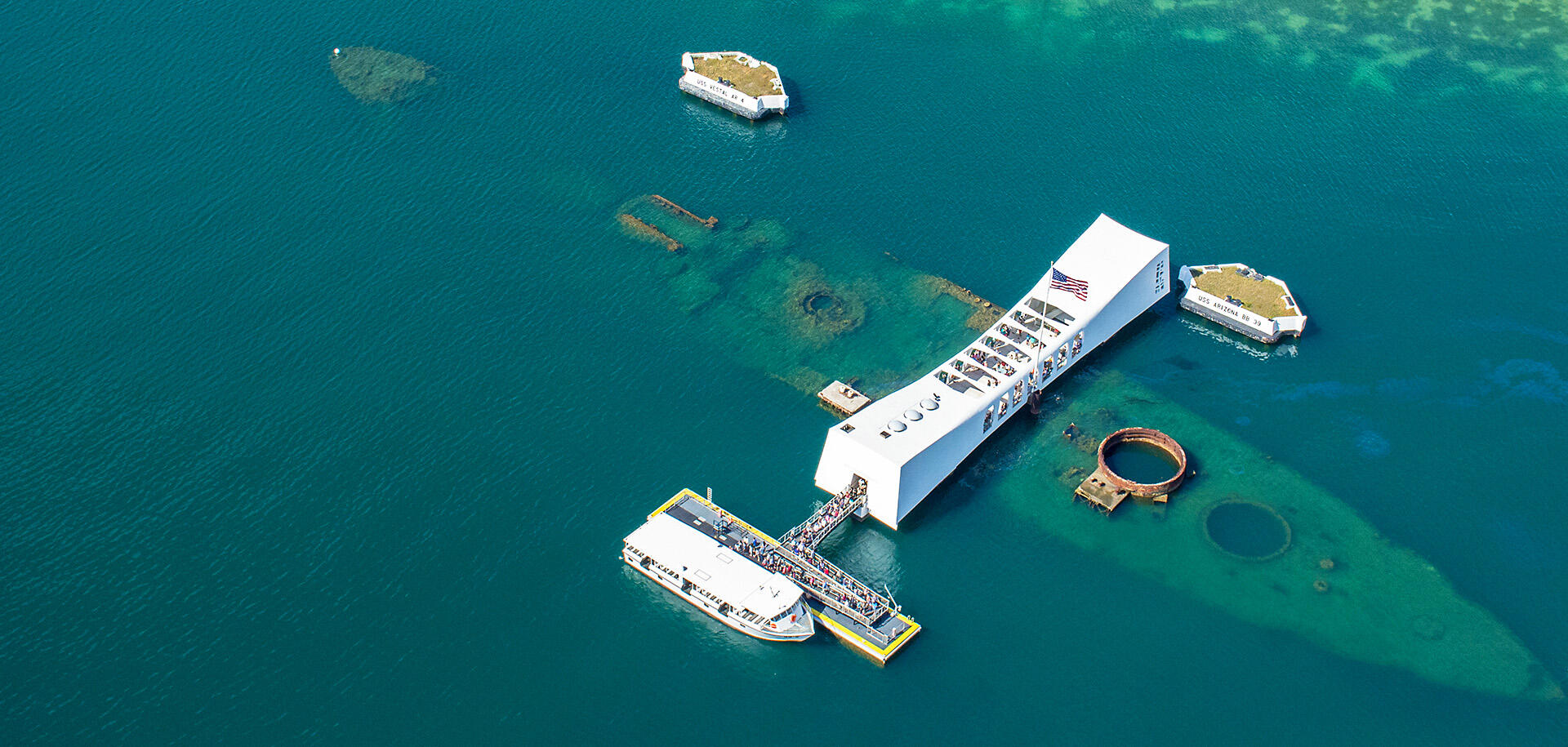
Summer at Pearl Harbor can feel like a conveyor belt: packed visitor-center galleries, long lines for the boat to the USS Arizona Memorial, and not much room for quiet reflection. Fall changes all of that. With the crowds gone, you can take your time in the “Road to War” and “Attack” galleries, actually read the exhibits, and stand at the memorial in near-silence.
Go early. The boat to the Arizona runs on timed tickets, and even in fall the first slots fill quickly — reserve as far ahead as you can. The visitor center grounds themselves are free to enter, which makes a fall morning here one of the best-value experiences on Oʻahu. Plan two to three hours at minimum; history buffs will want half a day. Our ultimate guide to visiting Pearl Harbor walks through what to book, what to bring, and how to make the most of the visit.
2. Hike in Cooler Comfort on Oʻahu and Maui
Fall takes the edge off the tropical sun, and that’s when Hawaii’s trails are at their best. On Oʻahu, the switchbacks of Diamond Head State Monument are far more forgiving when the day isn’t blazing — start by 8 a.m., carry more water than you think you’ll need, and you’ll be rewarded with the classic sweep of Waikīkī and the Pacific from the crater rim. Non-residents need a timed reservation, so book ahead even in the quieter season.
On Maui, fall rains — light, passing, gone in twenty minutes — turn the Pīpīwā Trail in Haleakalā National Park into a rainforest showpiece, with bamboo groves dripping green and Waimoku Falls running full at the trail’s end. The whole trek is about four miles round trip. Another strong fall pick is the Iao Needle lookout path in Iao Valley State Monument, a short paved walk that becomes spectacular after a shower, when thin waterfalls thread down the valley walls.
3. Celebrate at the Aloha Festivals
If your fall trip lands in September, time it for the Aloha Festivals, Hawaii’s biggest celebration of Hawaiian culture. The calendar is packed: a royal court investiture in downtown Honolulu, parades down Waikīkī, and the massive Waikīkī Hoʻolauleʻa block party, where Kalākaua Avenue closes to traffic and thousands of people eat, dance, and shop their way down the strip. It all runs roughly through the month of September, and most events are free.
Food-minded travelers should keep an eye on the Hawaii Food & Wine Festival, which runs in October across the islands with chef-led dinners, tastings, and local-producer showcases. Tickets sell out fast, so check the schedule before you fly.
4. Chase Waterfalls on the Road to Hāna, Maui
The Road to Hāna in peak summer can feel like a parade of rental cars. In fall, the traffic eases — and the light autumn showers that roll through East Maui do something wonderful: they feed the waterfalls. Twin Falls, the Upper Waikāni (Three Bears) falls, and Waimoku Falls all run fuller, and the pools beneath them are swimmer-friendly when the water is clear and currents are calm.
Give yourself the full day; the drive is 64 miles each way with hundreds of curves and one-lane bridges. Start from Paʻia before 8 a.m., pack reef-safe sunscreen and a rain layer, and download an offline map — cell service drops out along much of the route. For more ideas on the Valley Isle, see our guide to things to do in Maui and Lahaina.
5. Snorkel in the Warmest Water of the Year
Here’s a fact most visitors don’t expect: Hawaii’s ocean temperatures peak in September and October, hovering in the low 80s. No wetsuit, no chill — just step in. Fall is arguably the best snorkeling season in the islands, and it’s also quieter, so the popular reefs feel less crowded.
On Oʻahu, Hanauma Bay is the classic choice: a sheltered, crescent-shaped lagoon teeming with reef fish, sea urchins, and the occasional green sea turtle gliding past. Because the bay is a protected nature preserve, entry is capped — reserve online in advance, and note it’s closed on Mondays and Tuesdays. If you want turtles practically guaranteed, book a Turtle Canyon snorkel adventure off Waikīkī, where the resident honu gather at underwater cleaning stations. Off Maui, Molokini Crater’s half-submerged volcanic crescent offers 100-plus-foot visibility on a calm fall morning; the half-day trips from Maʻalaea Harbor run in all seasons and typically land around $100–$150 per person.
6. Savor the Kona Coffee Harvest on the Big Island
November is harvest time in Kona, and the timing is perfect: the Kona Coffee Cultural Festival — roughly ten days of tastings, cupping competitions, farm tours, art, and music — celebrates the crop exactly as the red cherries are being picked by hand on the slopes of Hualālai and Mauna Loa.
You don’t need the festival to taste the season, though. Dozens of working coffee farms along the Kona coast offer tours year-round, most of them free or just a few dollars, ending with a pour of something you’ll never find on a mainland shelf. Visit in November and you may see the pickers at work — six generations of farming families in some cases, including Japanese, Filipino, and Hawaiian workers whose cultures the festival honors. Call ahead: festival weeks book farm tours solid.
7. Watch the First Big Waves of Oʻahu’s North Shore
By late September and into October, the first winter swells reach Oʻahu’s North Shore, and the legendary breaks start to stir. This isn’t the 30-foot monster surf of January — fall waves at Sunset Beach, Waimea Bay, and Pipeline typically build into the manageable 4-to-8-foot range, which makes autumn a genuinely exciting window: thrilling enough to watch from the sand, and rideable enough for intermediate surfers booking a lesson at gentler North Shore spots.
Even if you never touch a board, the drive up is worth it. Take Kamehameha Highway from Haleʻiwa to Sunset Beach, pull over at the lookouts, and watch the sets roll in. Pair it with a shrimp-truck lunch and a wander through Haleʻiwa town, and it’s a full day. Our North Shore Odyssey guide maps out the stops, including the Dole Plantation on the way back.
More Fall-Only Ways to Spend the Season
A few experiences peak precisely in autumn and didn’t fit the list of seven. Macadamia nut orchards on the Big Island and Maui are in full harvest in fall, and several farms run tours where you can watch the nuts go from cracking to roasting. The golden highland pastures above Waimea on the Big Island — where paniolo (Hawaiian cowboys) still work cattle — turn amber in October and November, a genuinely different side of Hawaii. And on clear fall nights, Mauna Kea’s 13,800-foot summit offers some of the planet’s finest stargazing; bring a warm layer, because it’s near freezing up there while the beach is in the 80s.
One practical note: fall is generally the cheapest stretch of the year for Hawaii flights and hotels — the crowds return with a vengeance for Thanksgiving week, so if you’re price-hunting, aim for September or October and avoid the holiday.
Frequently Asked Questions
What is fall like in Hawaii?
Fall in Hawaii is warm and comfortable, with daytime highs in the low to mid-80s°F and ocean temperatures at their warmest of the year. Expect fewer crowds than summer, occasional light rain showers (more so in November), and a full calendar of cultural events.
Is October a good time to visit Hawaii?
October is one of the best months to visit Hawaii. The weather is warm and mostly dry, the summer crowds are gone, the ocean is warm, and the North Shore’s first winter swells start arriving. Prices on flights and hotels are typically at their lowest outside of Thanksgiving week.
When does the Kona Coffee Cultural Festival happen?
The Kona Coffee Cultural Festival is typically held over about ten days in early to mid-November on the Big Island, timed to the coffee harvest. It includes farm tours, coffee tastings, cupping competitions, and cultural events celebrating Kona’s coffee-growing heritage.
When does surf season start on Oʻahu’s North Shore?
North Shore surf season begins in late September to October, when the first winter swells arrive. Fall waves are smaller than mid-winter’s — often in the 4-to-8-foot range — making them exciting to watch and approachable for intermediate surfers before the season peaks from December through February.
Which island is best to visit in fall?
It depends on your priorities. Oʻahu shines in fall with the Aloha Festivals in Honolulu and the start of North Shore surf season. Maui offers the Road to Hāna waterfalls at their fullest and calm snorkeling at Molokini. The Big Island pairs the Kona coffee harvest with Hawaii Volcanoes National Park. Maui and Kauaʻi are especially lush and quiet in the shoulder season.
What should I pack for Hawaii in the fall?
Pack lightweight, breathable clothing, swimwear, reef-safe sunscreen, and comfortable walking shoes. Add a light sweater or jacket for cooler evenings and a compact rain jacket — especially in November, when showers become more frequent. If you’re heading up Mauna Kea or Haleakalā, bring warm layers; summit temperatures can be near freezing.