
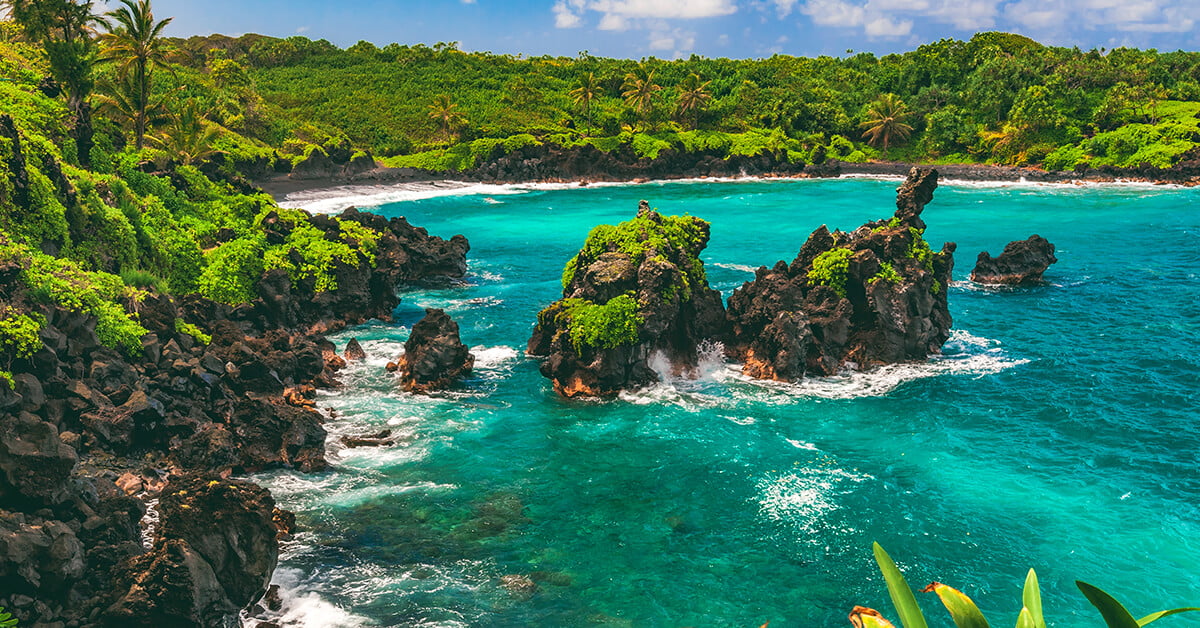
The best things to do in Maui reward slow travel: one day for a volcano sunrise, one full day for the Road to Hana, and the rest for beaches, snorkeling, and small towns. Maui is not a place to rush through a checklist. Pick a base, rent a car, and build each day around one big outing.
Key Highlights
- Haleakala sunrise needs a $1 reservation for vehicles entering between 3 a.m. and 7 a.m., booked on Recreation.gov, plus the separate park entrance fee.
- The Road to Hana takes 10 to 12 hours as a sightseeing day, even though the drive without stops is only 2.5 to 3 hours each way.
- Wai’anapanapa State Park and ‘Iao Valley require advance reservations for non-residents, so book before you drive there.
- West Maui towns beyond Lahaina, including Ka’anapali, Napili, and Kapalua, are fully open to visitors.
- Whale season runs December through April and peaks January through March, while May through October brings the calmest snorkeling water.
Plan Before You Go: Days, Cars, and Reservations
Five to seven days is the sweet spot for Maui. That gives you a Haleakala day, a full Road to Hana day, a snorkeling or whale watching day, and unhurried beach and town time. With only three or four days, choose between Haleakala and Hana rather than squeezing both into rushed half days.
A rental car is close to essential. Maui’s sights spread across the island, public buses serve limited routes, and only compact areas like parts of Lahaina and Kihei are walkable. Download offline maps before you leave, because cell service drops out along the Hana Highway and in parts of Haleakala National Park.
Book three things in advance. Haleakala sunrise reservations open 60 days ahead at 7 a.m. Hawaii time, with a second batch two days ahead. Wai’anapanapa State Park reservations open 30 days ahead, and ‘Iao Valley reservations work the same way for non-residents. Arrive inside the first 30 minutes of your reserved slot, or you may be turned away.
Haleakala: Sunrise, Sunset, and the Summit
Haleakala National Park covers the summit of a massive dormant volcano at 10,023 feet, and the temperature difference from sea level surprises most visitors. Pack warm layers, a windproof jacket, and closed shoes even in summer, because dawn at the summit can feel near freezing. The park entrance fee is $30 per private vehicle, $25 per motorcycle, or $15 per person on foot or by bicycle, valid for three days, and the park is cashless.
Sunrise draws the crowds, and it earns them: first light spills across a crater landscape that looks nothing like the beaches below. The $1 sunrise reservation applies only to private vehicles entering the Summit District between 3 a.m. and 7 a.m., and no reservations are issued at the gate. America the Beautiful passes cover the entrance fee but not the $1 reservation. Sunset needs no reservation, but summit parking fills early, so arrive well before sunset. For a deeper look at trails and timing, see our guide to things to do in Haleakala Crater.
Do not plan the Summit District and the Kipahulu District on the same day. No road connects them inside the park, and Kipahulu, home to the Pipiwai Trail and the Pools of ‘Ohe’o, sits at the far end of the Road to Hana. The Pools of ‘Ohe’o are currently view only, so do not plan a swim there.
The Road to Hana: A Full Day, Done Right
The Hana Highway runs about 64 miles with more than 600 curves and dozens of one-lane bridges, and that math explains why a 52-mile trip from Kahului airport still takes 2.5 to 3 hours of driving. Leave Pa’ia by about 7 a.m., yield at one-lane bridges, never stop in the roadway, and park only in marked areas. Many rental agreements forbid the rough back road past Hana, so treat the highway as an out-and-back day unless your agreement clearly allows it.
Ho’okipa Beach Park near Pa’ia is worth an early stop for windsurfing and sea turtle sightings, and Twin Falls and the Garden of Eden offer short, easy stops before the road narrows. Wai’anapanapa State Park, with its black sand beach, requires a non-resident reservation: $5 per person plus $10 per vehicle, in one of four daily time slots. Near Hana, the Pipiwai Trail runs 4 miles round trip through bamboo forest to Waimoku Falls, inside the Kipahulu District, where the same Haleakala entrance fee applies.
Respect private land and closed areas along the route. Do not trespass for a photo, do not swim under waterfalls after rain, and carry out everything you bring in. The road rewards patience and punishes hurry, so build in stops and accept that you will not see everything in one pass.
Beaches and Snorkeling: Pick the Right Shore
Maui’s best beach depends on what you want from the water. Ka’anapali Beach suits families, with lifeguards, restrooms, and dining nearby, plus snorkeling at Black Rock. Kapalua Bay is the calmer west-side pick for beginners, with a protected cove and sandy entry. Wailea Beach offers calm water on the south shore, with public access between the big resorts.
Confident snorkelers should head to Honolua Bay north of Kapalua, a marine conservation area with a rocky entry reached by a short forest trail. Go in summer, from May through September, when north swells ease; in winter the same bay becomes a surf break and can be dangerous for snorkelers. Maken Beach, known as Big Beach, suits sunbathing, but its shorebreak and currents make it a poor choice for beginner swimmers.
Molokini Crater, a crescent-shaped volcanic caldera about 3 miles offshore, is boat access only and best visited on a morning tour, when water is calmest and visibility is often 100 feet or more. Tour prices vary by operator and inclusions, so compare boats rather than trusting one quoted price. Across Maui, mornings from about 8 to 10 a.m. give the calmest snorkeling, before trade winds pick up.
Lahaina and West Maui: What Is Open in 2026
Lahaina deserves a careful, honest note. The August 2023 fire killed more than 100 people and destroyed most of historic Lahaina, and rebuilding is still under way. Front Street from Papalaua Street to Shaw Street reopened to vehicle traffic on August 1, 2026, according to the County of Maui Office of Recovery, but a reopened road is not a rebuilt town. Fenced areas and private land remain off limits, and visitors should not treat the burn zone as sightseeing.
The wider West Maui area is open. Ka’anapali, Napili, Kapalua, and Honokowai were not burned, and their resorts, restaurants, and beaches operate normally. Limited commercial boat tours have resumed from Lahaina Harbor, but capacity is limited. The respectful way to visit is to support open local businesses, follow posted signs, and check the County of Maui recovery page before you go. For town-by-town detail, see our guide to things to do in West Maui and our Lahaina visitor guide.
‘Iao Valley and Upcountry Maui
‘Iao Valley State Monument protects a lush valley where the 1,200-foot rock formation called Kuka’emoku, or the ‘Iao Needle, rises from the valley floor. A paved 0.6-mile walk leads to the viewpoint, and the site marks the 1790 Battle of Kepaniwai. The park is open 7 a.m. to 6 p.m., non-residents need an advance reservation, and fees are $5 per person plus $10 per vehicle. The park closed twice during 2026 for storm damage, so check the state parks notices page on the morning you plan to visit.
Upcountry Maui offers a different pace. Makawao carries paniolo cowboy history, galleries, and small shops, while Kula sits in farm country with cooler air and wide views. Pair either town with a stop in Wailuku, the county seat, for a half day that balances the beach towns. Kapalua Bay and its coastal trail also reward an easy morning, as covered in our Kapalua guide.
Best Time to Visit and Whale Season
Late April through May and September through October give the best balance of drier weather, smaller crowds, and lower prices. Daytime highs sit around 78 to 85 degrees year round, while nights drop into the low 70s. The wet season runs November through March, but showers are usually brief, and the leeward south and west coasts stay drier than the windward east side.
Humpback whales visit Maui’s shallow ‘Au’au Channel to breed and calve, and the season runs December through April, peaking January through March. Watch from shore at Ka’anapali, Wailea, Maken, McGregor Point, or Papawai Point, or take a boat from Lahaina or Ma’alaea Harbor. Winter also brings big-wave surf watching at Ho’okipa and the Pe’ahi, or Jaws, lookout, when swells cooperate.
If you want to pair Maui with another island, the Big Island’s Kona coast makes a natural second stop, as covered in our guide to the best things to do in Kona. Fly between islands rather than trying to ferry a rental car, and give each island at least four days.
Practical Tips for Driving Maui
Think in driving times, not miles. Kahului airport to the Haleakala summit takes 1.5 to 2 hours one way, and Wailea to Ka’anapali takes about an hour. Fuel up before the Hana Highway and before Haleakala, since services thin out fast. Carry water, reef-safe sunscreen, and a light rain layer, because a sunny beach morning can turn into a wet mountain afternoon.
Book whale watching and Molokini tours for mornings, when seas are calmest. Keep a respectful distance from sea turtles, which are protected, and never touch coral. If a beach has no lifeguard and the surf looks rough, choose another beach rather than testing it.
Conclusion
Base yourself on the west or south shore, give Haleakala and Hana each a full day, and leave room for unplanned beach mornings. Start by booking your Haleakala sunrise reservation and your Wai’anapanapa slot, then build the rest of the trip around them.
Frequently Asked Questions
How many days do I need in Maui?
Five to seven days is the sweet spot for a first visit. That covers a Haleakala day, a full Road to Hana day, a snorkeling or whale watching day, and relaxed beach and town time. With three or four days, pick either Haleakala or Hana and save the other for a return trip.
Do I need a rental car in Maui?
Yes, for most trips. Maui’s sights spread across the island, buses serve limited routes, and only compact pockets like parts of Lahaina and Kihei are walkable. A rental car also lets you reach Haleakala before dawn and manage the long Hana Highway day on your own schedule.
Which reservations do I need for Maui?
Book three reservations in advance: Haleakala sunrise entry between 3 a.m. and 7 a.m., Wai’anapanapa State Park for non-residents, and ‘Iao Valley State Monument for non-residents. The Road to Hana itself needs no reservation. Arrive inside the first 30 minutes of state park slots or risk being turned away.
Is the Road to Hana worth it?
Yes, if you treat it as a full 10 to 12 hour day and leave Pa’ia by about 7 a.m. The highway packs waterfalls, rainforest, black sand beach, and coastal views into one route. It is not worth rushing, and drivers who dislike narrow, winding roads should book a guided tour instead.
Should I choose Haleakala sunrise or sunset?
Choose sunrise if you can secure a reservation and handle an early start, because first light over the crater is the classic Maui moment. Choose sunset if you prefer a later start, since it needs no reservation. Both demand warm layers, and summit parking fills early either way.
Is Lahaina open to visitors in 2026?
Parts of Lahaina are open, but the town is still rebuilding after the August 2023 fire. Front Street from Papalaua Street to Shaw Street reopened to vehicles on August 1, 2026, while fenced and private areas stay closed. West Maui towns beyond Lahaina, including Ka’anapali and Kapalua, are fully open.