
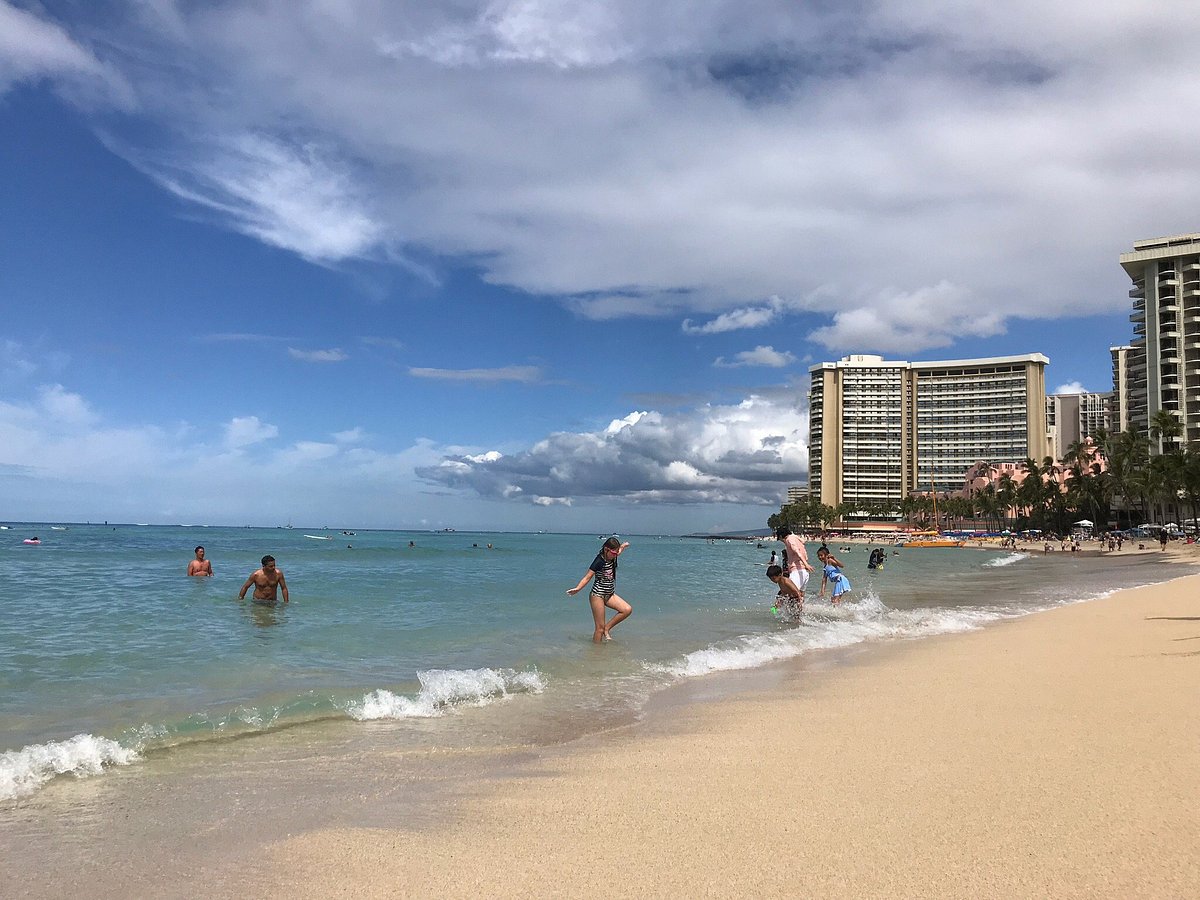
Waikiki fits more into two miles of shoreline than most destinations fit in a whole city: beginner-friendly surf breaks, the Diamond Head sunrise hike, free hula shows on the sand, sunset sails, plus top dining and shopping — all within walking distance of your hotel. Here is how to do it right.
Key Highlights
- Waikiki Beach is not one beach — it is a 2-mile string of eight distinct sections, from the calm family waters of Kuhio Beach to the local-favorite Queens Surf Beach.
- Diamond Head requires advance reservations for non-residents: $5 per person plus $10 per vehicle parking. Go before 8am to beat the heat and the crowds.
- The best things in Waikiki cost nothing: free hula shows at the Kuhio Beach Hula Mound, Friday night fireworks at Hilton Hawaiian Village, and Sunday band concerts in Kapiolani Park.
- Skip the rental car in Waikiki itself — the neighborhood is fully walkable, and TheBus ($3 a ride, $7.50 day pass) reaches Diamond Head, downtown Honolulu, and Pearl Harbor.
- Pair your beach days with a half-day of history: Iolani Palace, Bishop Museum, and the Pearl Harbor memorials are all 10–25 minutes away.
Waikiki Beach: Know Your Sections
Most first-timers plant themselves wherever their hotel puts a chair, but Waikiki rewards a little beach reconnaissance. The full stretch runs about 2 miles from Hilton Hawaiian Village down to Kapiolani Park, and it changes character every few blocks.
Best beaches for swimming and families
Duke Kahanamoku Beach, fronting Hilton Hawaiian Village, has the calmest water — a protected lagoon where waves rarely top a foot. Kuhio Beach, midway along the strip, sits behind a concrete breakwater that keeps the water glassy; lifeguards are on duty from 9am to 5:30pm, and showers and restrooms are right there. Both are the easy choice with small kids.
Fort DeRussy Beach has the widest band of sand and the best patch for spreading out, fronting a military recreation area that keeps it calmer than the central sections. At the far east end, Sans Souci Beach near Kapiolani Park is the quietest of the lot, with clear water and decent reef snorkeling — worth the 10-minute stroll.
Best beaches for surfing and people-watching
The breaks between the Royal Hawaiian and Moana Surfrider hotels are where most lessons happen, and Canoes break out front is where beginners finally pop up. The Duke Kahanamoku statue, facing the shore in front of the Waikiki Beach Boys stand, marks the man who brought surfing to the world — a photo stop that costs nothing and says everything about this place. Queens Surf Beach just east of the main drag is where locals and longboarders gather, and the reef just offshore makes for surprisingly good snorkeling.
Learn to Surf Where Surfing Was Born
Waikiki’s long, gently rolling swells are the friendliest beginner waves anywhere, which is why surf schools have been running here for generations. A 90-minute group lesson typically runs $75–$150 including board rental, and the schools along the sand report that most first-timers stand up at least once by the end. Instructors cover paddling, pop-ups, and surf etiquette before you ever hit the water.
For something closer to how surfing started, try an outrigger canoe ride. These traditional six-person canoes launch right off the beach near the Duke Kahanamoku statue and catch real waves, with a skilled captain steering while you ride — around $30–$40 per person for a session that lasts about 45 minutes. It is the only ride in Waikiki that has not changed in a hundred years.
Hike Diamond Head at Sunrise
The 300,000-year-old tuff cone looming over the skyline is Oahu’s signature hike and the single most satisfying hour you can spend in Waikiki. The trail is 1.6 miles round trip with about 560 feet of elevation gain, climbing through switchbacks, a dark tunnel, and a steep final staircase to a summit with panoramic views over Honolulu and the whole south shore. Budget about 90 minutes round trip at a comfortable pace.
Plan ahead: non-residents need reservations made in advance — entry is $5 per person plus $10 per vehicle for parking. Gates open at 6am and last entry is 4pm; arrive at opening or shortly after for the coolest air, the smallest crowds, and the best chance of clear summit views. Bring water and sunscreen — the trail has almost no shade. Our full Diamond Head State Monument guide covers the trail, the old military bunkers up top, and the visitor center.
Get on the Water
Snorkeling: reefs, turtles, and tropical fish
The reefs just offshore hold more life than most visitors expect. Near the Waikiki Aquarium, “the Walls” has a sharp drop-off and stronger currents — stick to the calmer sections unless you are a confident swimmer. For the real show, book a guided trip: the Diamond Head sailing and turtle snorkeling tour sails around the crater to snorkeling grounds where green sea turtles graze on the reef, along with parrotfish, trumpetfish, and tangs over the coral beds.
Hanauma Bay, about 10 miles east along the coast, is the snorkeling heavyweight — a protected marine preserve in a volcanic crater with 400+ fish species. Entry is $25 for non-residents plus $3 parking, it is closed Mondays and Tuesdays, and you will watch a short conservation video before heading down to the beach. Go before 8am to beat the crowds. Our Hanauma Bay snorkeling guide walks through the best entry points and reef zones.
Sailing: sunset catamarans and day cruises
Almost every evening, catamarans slide out from Waikiki Beach for 90-minute sunset sails — typically $40–$90 per person depending on whether drinks and food are included. The 5:30pm departures catch the full sunset show with Diamond Head silhouetted against the sky, and dolphins ride the bow wakes often enough that crews scan for them as standard. Day sails usually add snorkeling stops and lunch. Book ahead for weekends; walk-up space is rare.
Hawaiian Culture, Free and Ticketed
Attend a luau
No visit feels complete without one evening of hula, fire-knife dancing, and kalua pig. Waikiki’s oceanfront luaus run from polished hotel productions to more intimate shows — expect roughly $130–$250 per adult depending on seating and drinks, so book early and read recent reviews before choosing. Chief’s Luau is one well-established option that pairs the feast and show with easy access from Waikiki.
Free hula and live Hawaiian music
Some of the best cultural experiences in Waikiki cost nothing. The Kuhio Beach Hula Mound hosts free performances on Tuesdays, Thursdays, and Saturdays at 6:30pm in summer. Waikiki Beach Walk runs free hula shows in its central plaza on Tuesday afternoons. The House Without a Key at the Halekulani plays live Hawaiian music with hula every evening at sunset — no cover, though it is worth ordering a drink for the seat. And on Sundays, the legendary Henry Kapono plays at Duke’s Waikiki from 4–6pm.
History Beyond the Beach
Waikiki sits minutes from the deepest history in the islands, and spending one half-day on it will change how the rest of your trip feels.
Iolani Palace in downtown Honolulu is the only royal palace on U.S. soil — the seat of the Hawaiian Kingdom from 1882 until the 1893 overthrow, restored down to the throne room. Tours run Tuesday through Saturday, around $30 for a docent-led visit; book at least 48 hours ahead in busy months. The Bishop Museum, founded in 1889, holds the most comprehensive collection of Hawaiian and Polynesian artifacts anywhere in the world (about $33 adult admission) — a genuine hidden gem compared to the island’s outdoor attractions.
Pearl Harbor, roughly 10 miles west of Waikiki, deserves a full morning. The USS Arizona Memorial itself is free, with timed-entry reservations through recreation.gov for a $1 booking fee — summer dates sell out fast, so reserve about 8 weeks ahead. The USS Arizona Memorial narrated tour adds the stories and context that make the visit land, and the battleship Missouri and Bowfin submarine charge separate admission. For a broader look at the city around all of this, see our things to do in Honolulu guide.
Eat, Shop, Repeat
Kalakaua Avenue is the main drag, and it works best if you treat it as a walking buffet. Start mornings with coffee and an acai bowl from Sunrise Shack or Hawaiian Aroma Caffe, grab a $12–$16 plate lunch (Rainbow Drive-In and L&L Hawaiian Barbecue are the classics) or a bowl of poke from a market for a cheap, filling lunch, and save one dinner for an oceanfront splurge — Duke’s Waikiki, Hula Grill, or the Mai Tai Bar at the Royal Hawaiian. Marukame Udon’s $8 udon bowls on Kuhio Avenue draw lines for a reason.
For shopping, Waikiki Beach Walk is the pleasant one — a pedestrian stretch of about 40 local boutiques and galleries between Lewers Street and Royal Hawaiian Avenue. The Royal Hawaiian Center covers three blocks of Kalakaua with over 110 stores, mixing luxury brands with genuinely good Hawaii-made souvenirs. The International Market Place is worth a wander for local vendors on the upper levels. And if you need reef-safe sunscreen or beach gear at sane prices, Longs Drugs at Kalakaua and Seaside undercuts the beach stands by half.
Waikiki After Dark
Friday nights belong to the Hilton Hawaiian Village fireworks — free, about five minutes, at 7:45pm in winter and 8pm in summer. The best free view is from the beach at Fort DeRussy. After that, the neighborhood splits: live Hawaiian music at Kani Ka Pila Grille (nightly 6–9pm, no cover) or the House Without a Key for the mellow route; Blue Note Hawaii for jazz and name acts (tickets from around $35); and Sky Waikiki’s 19th-floor rooftop for the late-night crowd. Cirque du Soleil’s Hawaii-only show ‘Auana runs Wednesday through Sunday evenings at the Waikiki Beachcomber for something theatrical.
Family-Friendly Picks
Waikiki is one of the easier places in Hawaii to travel with kids — the beaches are calm, everything is walkable, and the attractions are close together. The Waikiki Aquarium ($12 adults, $5 kids) is run by the University of Hawaii and, as the oldest aquarium in the United States, is a tidy 60–90-minute visit with monk seals and reef exhibits. The Honolulu Zoo occupies 42 acres inside Kapiolani Park at the Diamond Head end of the beach ($21 adults, $13 kids) with a keiki petting zoo on weekends. The free Sunday concerts by the Royal Hawaiian Band at the Kapiolani Park bandstand round out a cheap, easy family afternoon.
Easy Day Trips from Waikiki
Pearl Harbor is the obvious half-day — allow 4–5 hours with travel. Hanauma Bay works as a half-day snorkeling morning if you arrive early. A North Shore day (Sunset Beach, the surf town of Haleiwa, Waimea Valley) is the classic full-day escape, about an hour’s drive each way — go on a weekday to dodge weekend traffic. And the windward side — Lanikai Beach, Kailua town, and the Pali Lookout — fits easily into an afternoon. Rent a car just for the day-trip days rather than the whole stay.
Practical Tips for Waikiki
Do you need a rental car?
No — not for Waikiki itself. The neighborhood is flat, compact, and built for walking. TheBus covers Diamond Head, downtown, Pearl Harbor, and even the North Shore for $3 a ride or a $7.50 day pass. Rideshare runs $14–$20 for trips inside Honolulu. Rent only for the days you leave town.
Parking
Hotel parking typically runs $30–$50 a night, which surprises people. If you do have a car, the Waikiki Shell parking lot charges about $1 an hour (cash), and you can sometimes find free 3-hour street parking along Kalakaua near Kapiolani Park before 8am. Public lot rates at the zoo area run about $1.50 an hour.
Where to stay
First-timers do best between the Royal Hawaiian and the Moana Surfrider — central beach access, the quietest stretch of Kalakaua, and easy walks to everything. The Diamond Head end near Kapiolani Park is calmer and cheaper with better park access; the Hilton Hawaiian Village end is self-contained and family-oriented. Anywhere in the 96815 zip code keeps you within a 20-minute walk of the beach.
Rainy day backups
Oahu rain usually clears within an hour, but if it settles in: Bishop Museum, Iolani Palace, the Waikiki Aquarium, and the zoo all work indoors or under cover, and the shopping centers are fully weatherproof. A long plate-lunch lunch is a fine strategy too.
How many days in Waikiki?
Three to four days covers the essentials: one for the beach and Diamond Head, one for Pearl Harbor and downtown history, one for a catamaran sail and a North Shore or windward day. Longer stays are comfortable — the neighborhood is designed for slow mornings and long sunsets, and that is exactly how most people end up spending them.
Planning your Oahu trip? The team at Pearl Harbour Tour rounds up the island’s best tours, sights, and experiences — browse our guides to build your perfect itinerary.
Frequently Asked Questions
How many days do you need in Waikiki?
Three to four days covers the highlights: a beach and Diamond Head day, a Pearl Harbor and downtown history day, and a day for a sunset sail plus the North Shore or a snorkeling trip. Stay longer and the rhythm slows down — mornings on the sand, afternoons wandering Kalakaua, sunsets from the beach.
Is Waikiki worth visiting, or is it too touristy?
It is genuinely worth it, even with the crowds. Nowhere else in Hawaii puts surfing history, a crater hike, free daily hula, and world-class dining within a two-mile walk. Go in with a plan — Diamond Head early, the beach before 10am, the quieter Sans Souci end — and the touristy parts stay optional.
What is free to do in Waikiki?
Plenty: the beach itself, the Friday night fireworks at Hilton Hawaiian Village, hula shows at the Kuhio Beach Hula Mound (Tuesday, Thursday, Saturday in summer) and Waikiki Beach Walk, Sunday concerts by the Royal Hawaiian Band in Kapiolani Park, the Duke Kahanamoku statue, the Waikiki Historic Trail’s 23 markers, and every sunset — which is arguably the best free show on the island.
Do you need a rental car in Waikiki?
No. Waikiki is flat and walkable, and TheBus reaches Diamond Head, downtown Honolulu, Pearl Harbor, and the North Shore for $3 a ride or a $7.50 day pass. Rideshare runs about $14–$20 inside Honolulu. Rent a car only for the specific days you take day trips — hotel parking usually costs $30–$50 a night.
Can beginners really learn to surf in Waikiki?
Yes — this is the best beginner surf spot in the world. The waves at breaks like Canoes are long, gentle rollers, and group lessons ($75–$150 for 90 minutes including the board) report most first-timers standing up by the end. For a no-skill-required version, outrigger canoe rides from the beach near the Duke Kahanamoku statue catch real waves with a captain steering.
Is Waikiki good for families with kids?
Very. The water is calm thanks to the offshore reef, the beaches at Duke Kahanamoku and Kuhio are protected, and the Honolulu Zoo and Waikiki Aquarium are both inside Kapiolani Park. Add free fireworks on Fridays, free Sunday band concerts, and stroller-friendly sidewalks, and it is one of the easiest family destinations in Hawaii.