
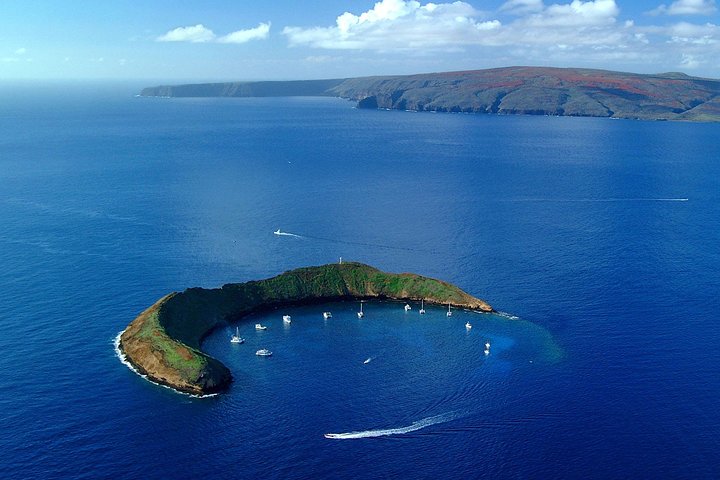
West Maui is the stretch of Maui’s northwest coast that runs from Lahaina through the resort beaches of Kaanapali and Napili to upscale Kapalua and the rugged coast past Honolua Bay. It is the most visitor-friendly side of the island: sunny, warm, and full of the island’s best swimming and snorkeling beaches, two of Hawaii’s most famous golf courses, and easy whale watching in winter. This guide covers the region, including what Lahaina looks like in 2026 as it rebuilds after the 2023 wildfire, so you can plan a fun, respectful trip.
Key Highlights
- West Maui spans Lahaina, Kaanapali, Napili, Kapalua, Honolua Bay, and the Nakalele Blowhole, with each area offering a different pace, from lively resort beach to quiet coastal trail.
- The region’s best beaches include Kaanapali Beach for swimming, Napili Bay for turtles, and Honolua Bay for summer snorkeling, while the Kapalua Coastal Trail links the coast’s prettiest bays on foot for free.
- Whale season runs roughly December through April, with peak sightings January through March in the shallow Auau Channel between Maui and Lanai.
- Lahaina is welcoming visitors again in 2026: Front Street reopened to vehicle traffic on August 1, 2026, the banyan tree survived, and reopened businesses include Mala Ocean Tavern, Star Noodle, and the Old Lahaina Luau.
- A rental car is the practical choice for West Maui, since the highlights are spread along Highway 30 and the big day trips leave from points across the island.
Where Is West Maui and How Do You Get There
West Maui covers the island’s leeward northwest corner, anchored by Lahaina in the south and Kapalua in the north, with Kaanapali and Napili in between. Everything runs along one road, the Honoapiilani Highway (Route 30), which follows the coast all the way past Kapalua to the Nakalele Blowhole.
Most visitors fly into Kahului Airport (OGG), about 25 miles away, a drive that usually takes 45 to 60 minutes depending on traffic. Renting a car is the practical choice, because the region’s beaches, trailheads, and restaurants are spread out and most day trips require driving. The free Kaanapali Trolley covers short hops between resorts, Whalers Village, and the Lahaina Cannery Mall area, and rideshares operate on Maui, but neither substitutes for your own wheels.
When Is the Best Time to Visit West Maui
West Maui is one of the driest, sunniest corners of Hawaii, so weather is rarely a problem. The real question is what you want the ocean to be doing. December through April is whale season, when North Pacific humpbacks migrate to the warm waters off Maui to mate and calve. The Auau Channel between Maui and Lanai is one of the best whale-watching spots on the planet, and you can often spot blows and breaching from shore in Kaanapali. Peak sightings run January through March, and boat tours from Lahaina Harbor then practically guarantee whales.
May through October brings the calmest ocean, which is ideal for snorkeling at spots like Honolua Bay and Kapalua Bay. Winter swells make the north coast surfable but rough for snorkeling, so time your beach days accordingly. Rates dip in the shoulder months of April, May, September, and October, which many travelers consider the sweet spot for price and conditions.
The Main Towns and Areas
Kaanapali: Maui’s Original Resort Beach
Kaanapali was the first planned resort destination in Hawaii, and it still sets the standard. The beach runs about three miles, lined with big resorts. The north end is anchored by Black Rock, or Puu Kekaa, where the Sheraton Maui Resort and Spa performs a nightly torch-lighting and cliff-diving ritual at sunset. Whalers Village is the area’s open-air shopping and dining center, with oceanfront restaurants for sunset dinner.
Napili and Honokowai: The Laid-Back Middle
Between Kaanapali and Kapalua sits Napili, a crescent-shaped bay that locals call one of the best family swimming beaches on Maui. The water is calm, the sand is soft, and green sea turtles show up regularly. Arrive early because parking is tight.
Kapalua: Quiet, Upscale, and Trail-Heavy
Kapalua is the last real community before the coast turns wild. It is known for two championship golf courses, the Kapalua Bay and D.T. Fleming beaches, and the Kapalua Coastal Trail, which runs along the shoreline past lava points and boardwalks. For a deeper dive into the resort’s beaches, trails, and golf, see our guide to things to do in Kapalua.
Honolua Bay and the Nakalele Blowhole
Past Kapalua, Highway 30 becomes the Kahekili Highway and the development stops. Honolua Bay is West Maui’s legendary snorkeling spot in summer: a marine preserve with some of the clearest water on the island, reached by a short walk through a jungle-like forest. The shoreline is all rock, so this is a snorkel-and-go stop, not a beach day. In winter, surf replaces snorkeling here. A few miles farther, the Nakalele Blowhole shoots dramatic jets of seawater through a hole in the lava rock. The short hike down is rocky and exposed, so wear sturdy shoes and stay well back from the edge.
Lahaina: Visiting Respectfully in 2026
Lahaina was devastated by the August 2023 wildfire and is rebuilt, but it is open and welcoming visitors. Front Street reopened to vehicle traffic on August 1, 2026, per the County of Maui Office of Recovery, with the ‘Ulu o Lele Marketplace, Kimo’s restaurant, and more than a dozen businesses open. The famous 150-year-old banyan tree survived and is alive with new growth, though Banyan Tree Park itself remains closed while arborists monitor it, with viewing areas along the park’s edge. Reopened spots like Mala Ocean Tavern, Star Noodle, and the Old Lahaina Luau are serving visitors again, and boat tours have resumed from Lahaina Harbor.
The town deserves more than a drive-by, and its story is covered in depth in our guide to things to do in Maui’s Lahaina region and our guide to things to do in Lahaina, Hawaii. When you visit, stay out of fenced or marked closed areas, skip driving through damaged residential streets, and spend your money at the businesses that have reopened.
Beaches, Snorkeling, and Diving
West Maui’s reefs are its main attraction. Honolua Bay is the star for experienced snorkelers in summer, when the water is glassy. Kapalua Bay is the easiest option, with calm water, easy sandy entry, and reef on both sides of the cove. At Kaanapali, Black Rock has the best snorkeling, with turtles common around the point, though currents can run strong at the edges.
If you do not have your own gear, renting locally beats hauling equipment: read our guide to snorkeling gear in Hawaii for what to bring and what to rent. For first-timers, a boat trip is the easiest way to reach the best water: operators run snorkel sails from Lahaina Harbor to Molokini Crater and to Lanai, where spinner dolphins often ride the bow wake. If your Hawaii trip might include the Big Island, the manta ray night snorkel off Kona pairs naturally with a West Maui snorkel trip.
Golf
West Maui is Hawaii’s heavyweight for golf. The Kapalua Plantation Course hosts the PGA Tour’s season-opening event each January, when the game’s best players take on its ocean-viewed fairways. At Kaanapali, the Royal Kaanapali and Kaanapali Kai courses offer 36 holes in the heart of the resort. One warning: afternoon trade winds are real here, so book morning tee times for the calmest conditions.
Prices and Tickets
The beaches, hiking trails, and blowhole views of West Maui are free. For paid experiences, here is what to expect:
- Maui Nui Luau at the Sheraton Maui Resort: Held on the oceanfront lawn at Black Rock on Monday, Wednesday, and Friday evenings (5:30 to 8:30 PM), with torch lighting, an imu ceremony, and fire knife dancing. The resort’s official page at kaanapaliresort.com lists tickets at about $105 for adults and $57 for children ages 6 to 12, with children 5 and under free; tax and gratuity are included. Book ahead, since the oceanfront lawn has limited capacity.
- Whale watching from Lahaina Harbor: The nonprofit Pacific Whale Foundation runs two-hour whale watches led by certified marine naturalists, departing from Lahaina Harbor in season. Frommer’s lists trips starting at about $38 for adults and $25 for children, with snorkeling cruises from about $69 for adults. Profits support the foundation’s research and conservation work.
- Snorkel and sunset cruises: Half-day snorkel sails and sunset cruises from Lahaina and Kaanapali generally run in the $75 to $150 range per adult, depending on the operator. Book direct when you can, since availability during whale season fills up.
- Golf: Resort tee times at Kapalua and Kaanapali run several hundred dollars per round in high season, with some resort guests receiving preferred rates. Book well in advance for morning slots in winter.
Nearby Things to Do and Day Trips
West Maui is an ideal base for the island’s big experiences. Haleakala sunrise is the classic: leave West Maui around 2:30 to 3:00 AM to reach the 10,023-foot summit in time, and bring a jacket, because it is near freezing up there before dawn. The Road to Hana starts from the other side of the island, so treat it as a full-day drive or book a guided tour. Both belong on any Maui itinerary: see our broader guide to things to do in Hawaii for how to fit them around your West Maui days.
Closer to home, Olowalu just south of Lahaina is worth a stop for snorkelers, with one of the healthiest fringing reefs on the island. And the drive north past Kapalua along the Kahekili Highway to the Nakalele Blowhole and back is one of Maui’s most dramatic coastal drives.
Practical Tips
- Use reef-safe sunscreen. Hawaii bans sunscreens containing oxybenzone and octinoxate. Mineral sunscreens are the safest choice.
- Respect the ocean. West Maui’s beaches look calm but rip currents form fast, especially at Honolua Bay in winter and around Black Rock. If in doubt, do not go out.
- Stay on marked trails. The Kapalua Coastal Trail passes the Honokahua Burial Site, a sacred place holding the remains of more than 2,000 Native Hawaiian ancestors. Do not step off the trail there.
- Arrive early for parking. Kapalua Bay, Napili Bay, and the Honolua Bay trailhead all fill up. An 8 AM arrival makes the day dramatically easier.
- Be patient with Lahaina. Recovery is ongoing. Expect construction, temporary closures, and limited parking in the historic district, and check Maui County’s recovery updates before your visit.
Frequently Asked Questions
What is the best time to visit West Maui?
The best time depends on your priorities. December through April is whale season, with peak sightings from January through March in the waters off Lahaina and Kaanapali. May through October brings the calmest ocean and clearest snorkeling conditions at spots like Honolua Bay and Kapalua Bay. April, May, September, and October combine good weather with lower prices, making the shoulder months the sweet spot for many travelers.
How many days do you need in West Maui?
Plan at least three to four days based in West Maui to cover the main beaches, the Kapalua Coastal Trail, a snorkel or whale watch cruise, and Lahaina, without rushing. If you want to add Haleakala sunrise and the Road to Hana, give yourself a full week on Maui with West Maui as your home base.
Is Lahaina open to visitors in 2026?
Yes. Front Street reopened to vehicle traffic on August 1, 2026, and businesses including the ‘Ulu o Lele Marketplace, Kimo’s, Mala Ocean Tavern, Star Noodle, and the Old Lahaina Luau are open. The famous banyan tree survived the 2023 fire and is alive, though Banyan Tree Park remains closed while arborists monitor the tree. Stay out of fenced or marked closed areas and support the reopened businesses when you visit.
What is the best snorkeling spot in West Maui?
Honolua Bay offers the best snorkeling in West Maui in summer, when the water is calm and clear. It is a rocky shoreline reached by a short forest walk, so it is best for confident swimmers. For easier entry, Kapalua Bay has calm water and reef on both sides, while Black Rock at Kaanapali Beach combines great snorkeling with turtle sightings.
Do you need a car in West Maui?
Yes, a rental car is strongly recommended. West Maui’s beaches, trailheads, and restaurants are spread along Highway 30, and the area’s best day trips, like Haleakala and the Road to Hana, require driving. The free Kaanapali Trolley and rideshares can cover short hops between resorts and Lahaina, but they are no substitute for a car.
Is the Kapalua Coastal Trail free?
Yes. The Kapalua Coastal Trail is free to walk, with no permit or fee required. The trail runs about 1.76 miles one way, or roughly 3.5 miles out and back, from Kapalua Bay to D.T. Fleming Beach Park, passing lava points, boardwalks, and beaches. It is open from sunrise to sunset, and parking is available at Kapalua Bay, Oneloa Beach, and D.T. Fleming Beach Park.